
MYLK (MLCK or MLCK1) HiRe rat Antibody - FFPE Validated

BiCell Scientific
SKU:00256-FFPE-50UL
Couldn't load pickup availability
Protein Function
This antibody supports efforts to analyze MYLK and interpret it within interaction networks. MYLK is a junctional protein that coordinates adhesion with cytoskeletal anchoring. Many projects interpret this target alongside interacting partners, upstream cues, and downstream readouts.
In some datasets and protocols, it is referenced by the gene symbol MLCK.
Experimental Applications
Researchers often monitor junctional targets when studying epithelial integrity, remodeling, and motility. Considering complex membership and compartment shifts can clarify whether changes reflect signaling or redistribution.
Many workflows benefit from tracking both signal intensity and compartment distribution, especially when the target participates in multi-protein assemblies.
Common experimental questions that benefit from target tracking include:
- changes in complex assembly with scaffold or adaptor proteins
- subcellular redistribution at contact sites versus cytoplasm
- comparative profiling across cell states or perturbations
Workflow Perspective
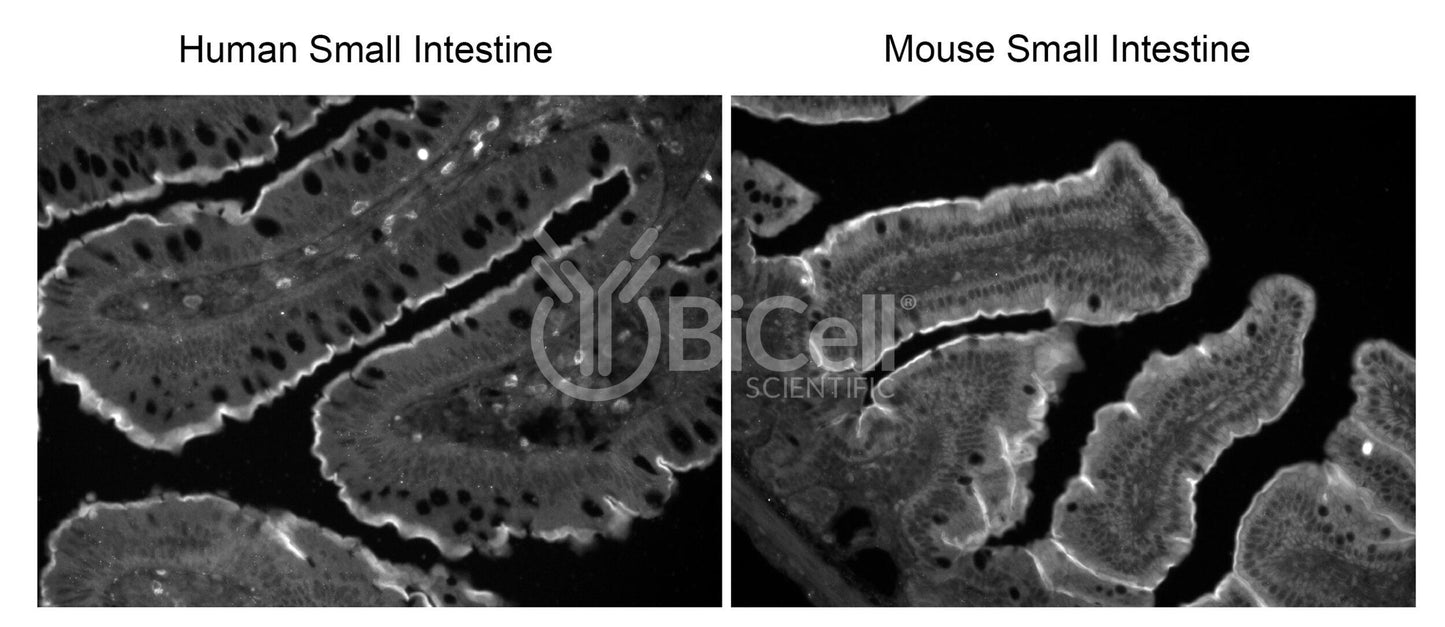
In sectioned tissue workflows, interpretation often depends on morphology; this format supports that style of readout. To keep comparisons consistent, align sample preparation steps and define a clear baseline for each series. If interactions are a focus, consider parallel readouts for key partners.
When interpreting MYLK, consider whether changes track with compartment identity, cell density, or perturbation timing; these factors can influence apparent signal without implying a direct causal link.
For challenging targets, pairing MYLK measurements with a second marker can clarify whether differences arise from regulation, redistribution, or shifts in cell composition within the sample.
The fixed-section option supports mechanistic reading of MYLK when interactions and context are the focus.
- Targets:
- MYLK
- Research Area:
- Cell Signaling • Developmental Biology
- Application:
- IHC-P
- Reactivity:
- Human • Mouse • Rat
- Host:
- Rat
- Clonality:
- Polyclonal
- Isotype:
- IgG
- Immunogen:
- Synthetic peptide (15-aa) derived from the internal region of human MYLK protein
- Conjugation:
- Unconjugated
- Purification:
- Affinity Chromatography
- Concentration:
- 0.25 mg/ml
- UniProt:
- Q15746
- Homology:
- Synthetic peptide sequence shows 86.7% homology to mouse or rat sequence
- Storage Buffer:
- PBS, pH 7.2, 0.1% Sodium Azide
- Storage Temperature:
- -20°C
For Research Use Only. Not intended for diagnostic or therapeutic use.
Products may be subject to intellectual property rights.
The purchase of this product does not grant any license for commercial use, manufacturing, or clinical applications. The user is responsible for ensuring compliance with applicable laws and third-party rights.