
Protocadherin-15 (PCDH15 or CDHR15 or USH1F or DFNB23) Antibody


BiCell Scientific
SKU:50535-50UL
Couldn't load pickup availability


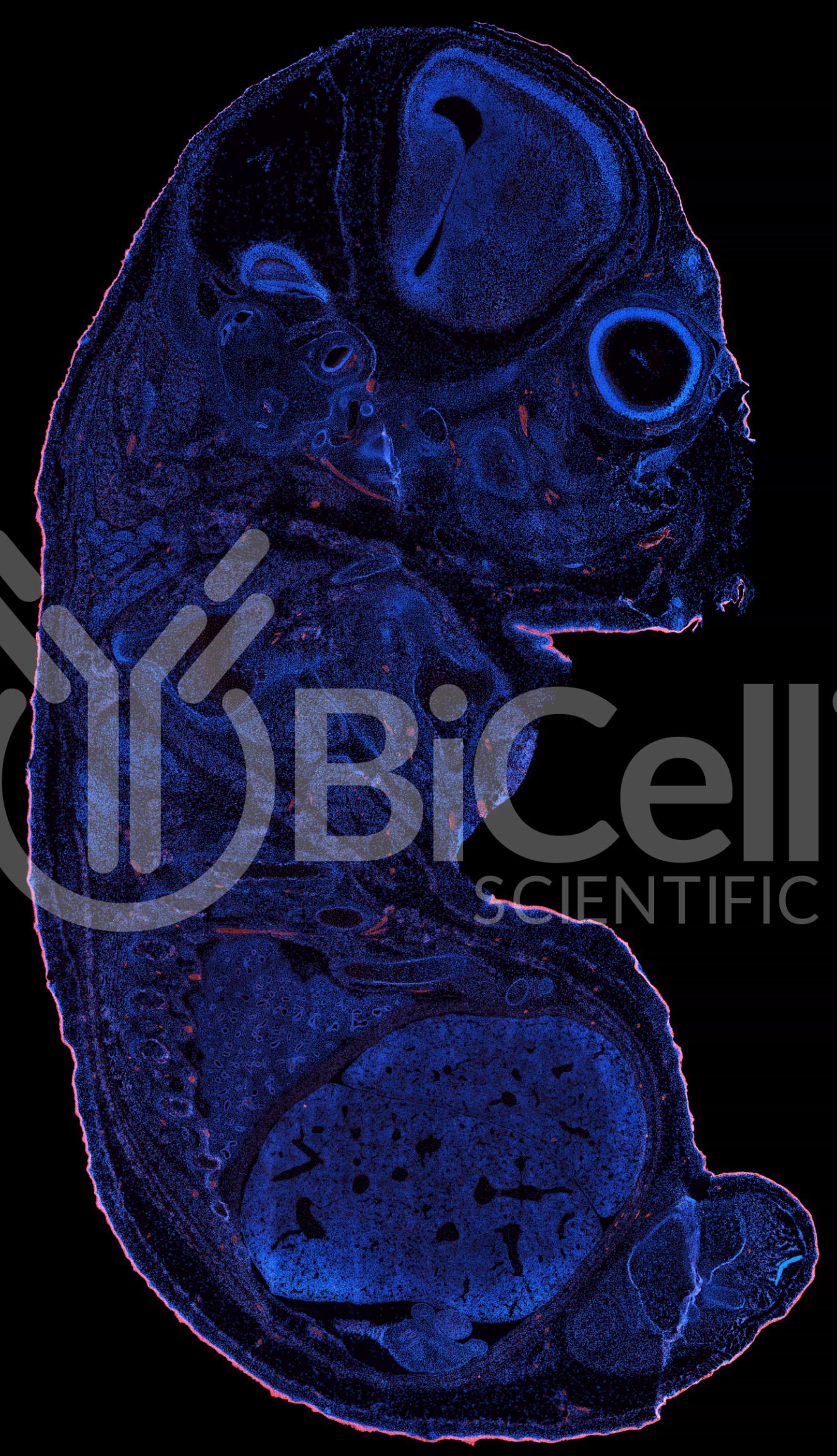
Biological Background
Designed to help you assess Protocadherin-15, this antibody supports studies where protein context matters. Protocadherin-15 is a junctional protein that coordinates adhesion with cytoskeletal anchoring. Its behavior can reflect changes in differentiation state, stress, or remodeling of cellular architecture.
Tracking Protocadherin-15 can clarify whether changes reflect regulation, redistribution, or altered complex assembly.
Use in the Laboratory
In cultured models, junctional readouts can change rapidly after calcium modulation or cytoskeletal perturbation. Because regulation can be multi-layered, combining abundance and localization information can sharpen conclusions. Planar polarity studies may connect this target to directional signaling and cytoskeletal alignment.
Depending on the model, researchers may ask whether signal shifts reflect altered abundance, compartment changes, or remodeling of associated complexes.
To keep datasets interpretable, labs often document:
- subcellular redistribution at contact sites versus cytoplasm
- changes in complex assembly with scaffold or adaptor proteins
- comparative profiling across cell states or perturbations
Version Notes
When assay conditions are still being tuned, a regular-format antibody supports stepwise adjustment of buffers and incubation steps. If your study compares multiple conditions, keep acquisition and processing settings stable to avoid confounding. Small differences in preparation can reshape apparent localization, so interpret results in context.
For challenging targets, pairing Protocadherin-15 measurements with a second marker can clarify whether differences arise from regulation, redistribution, or shifts in cell composition within the sample.
As you refine hypotheses around Protocadherin-15, the regular format format helps keep conclusions tied to preparation context.
- Targets:
- PCDH15
- Research Area:
- Cell Signaling • Developmental Biology
- Application:
- IF • IHC • WB
- Reactivity:
- Mouse • Rat
- Host:
- Rat
- Clonality:
- Polyclonal
- Isotype:
- IgG
- Immunogen:
- Synthetic peptide (13-aa) derived from the C-terminal region of mouse protocadherin-15 protein
- Conjugation:
- Unconjugated
- Purification:
- Affinity Chromatography
- Concentration:
- 0.25 mg/ml
- UniProt:
- Q96QU1
- Homology:
- Synthetic peptide sequence is identical to rat sequence (showing 69.2% homology to human sequence)
- Storage Buffer:
- PBS, pH 7.2, 0.1% Sodium Azide
- Storage Temperature:
- -20°C
For Research Use Only. Not intended for diagnostic or therapeutic use.
Products may be subject to intellectual property rights.
The purchase of this product does not grant any license for commercial use, manufacturing, or clinical applications. The user is responsible for ensuring compliance with applicable laws and third-party rights.