
PTEN Antibody - FFPE Validated

BiCell Scientific
SKU:51330-FFPE-50UL
Couldn't load pickup availability
Scientific Overview
For consistent comparison across experiments, use this antibody to analyze PTEN with a repeatable workflow. PTEN is a signaling node often evaluated by abundance, localization, and modification-dependent states. For comparison-heavy studies, consistent sample handling and normalization help reduce run-to-run drift.
Monitoring PTEN alongside context markers can improve interpretation when phenotypes are subtle.
Research Relevance
Perturbations such as inhibitors or ligand stimulation can drive rapid shifts in localization or complex formation. Define inclusion criteria and controls early so replicate sets remain interpretable as the dataset grows.
When cell-state transitions occur, this target may change alongside partners in the same compartment or pathway neighborhood. In oncology research models, expression shifts can accompany changes in adhesion, signaling, or differentiation state.
When building a narrative around the target, it helps to track:
- localization shifts between cytoplasm, membrane, and nucleus
- condition-to-condition comparisons with matched controls
- time-resolved changes following stimulation or inhibition
- interaction patterns within multi-protein complexes
Application-Specific Context
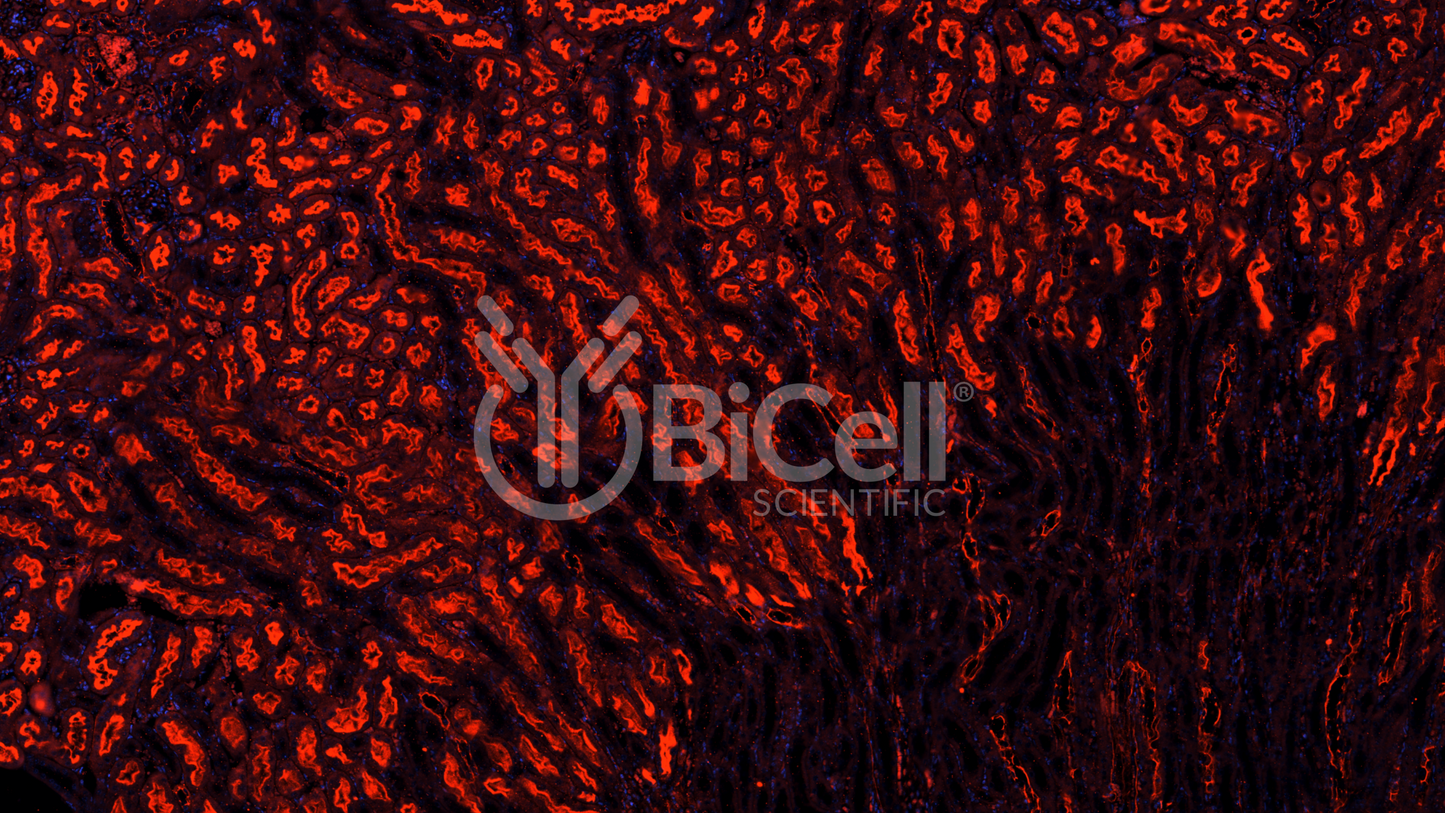
In sectioned tissue workflows, interpretation often depends on morphology; this format supports that style of readout. Think about how preparation affects epitope accessibility, and interpret patterns alongside morphology and compartment markers as needed. A short pilot series can help set exposure ranges and reduce reruns.
When interpreting PTEN, consider whether changes track with compartment identity, cell density, or perturbation timing; these factors can influence apparent signal without implying a direct causal link.
Pair this fixed-section format with stable controls to keep PTEN measurements coherent over time.
- Targets:
- PTEN
- Research Area:
- Cancer • Cell Cycle • Cell Signaling • Inflammation • Metabolism
- Application:
- IHC-P
- Reactivity:
- Human • Mouse • Rat
- Host:
- Rabbit
- Clonality:
- Polyclonal
- Isotype:
- IgG
- Immunogen:
- Synthetic peptide (13-aa) derived from the C-terminal region of human PTEN protein
- Conjugation:
- Unconjugated
- Purification:
- Affinity Chromatography
- Concentration:
- 0.25 mg/ml
- UniProt:
- P60484
- Homology:
- Synthetic peptide sequence is identical to mouse or rat sequence
- Storage Buffer:
- PBS, pH 7.2, 0.1% Sodium Azide
- Storage Temperature:
- -20°C
For Research Use Only. Not intended for diagnostic or therapeutic use.
Products may be subject to intellectual property rights.
The purchase of this product does not grant any license for commercial use, manufacturing, or clinical applications. The user is responsible for ensuring compliance with applicable laws and third-party rights.