
TUNEL BrightRed Apoptosis Detection Kit

Vazyme Biotech
SKU:A113-01
Couldn't load pickup availability
Overview
TUNEL BrightRed Apoptosis Detection Kit is a research-use kit supporting cell apoptosis detection workflows. During apoptosis, intracellular specific endonucleases are activated, chromatin DNA is specifically cleaved between nucleosomes, and DNA is degraded into integer multiples of about 180 - 200 bp fragments. Key notes from the supplied features include: Brighter fluorescence,. The wording is kept close to the supplied product information, helping you reference the right item quickly and document consistently.
Key Benefits
- Bright factor: Brighter fluorescence,.
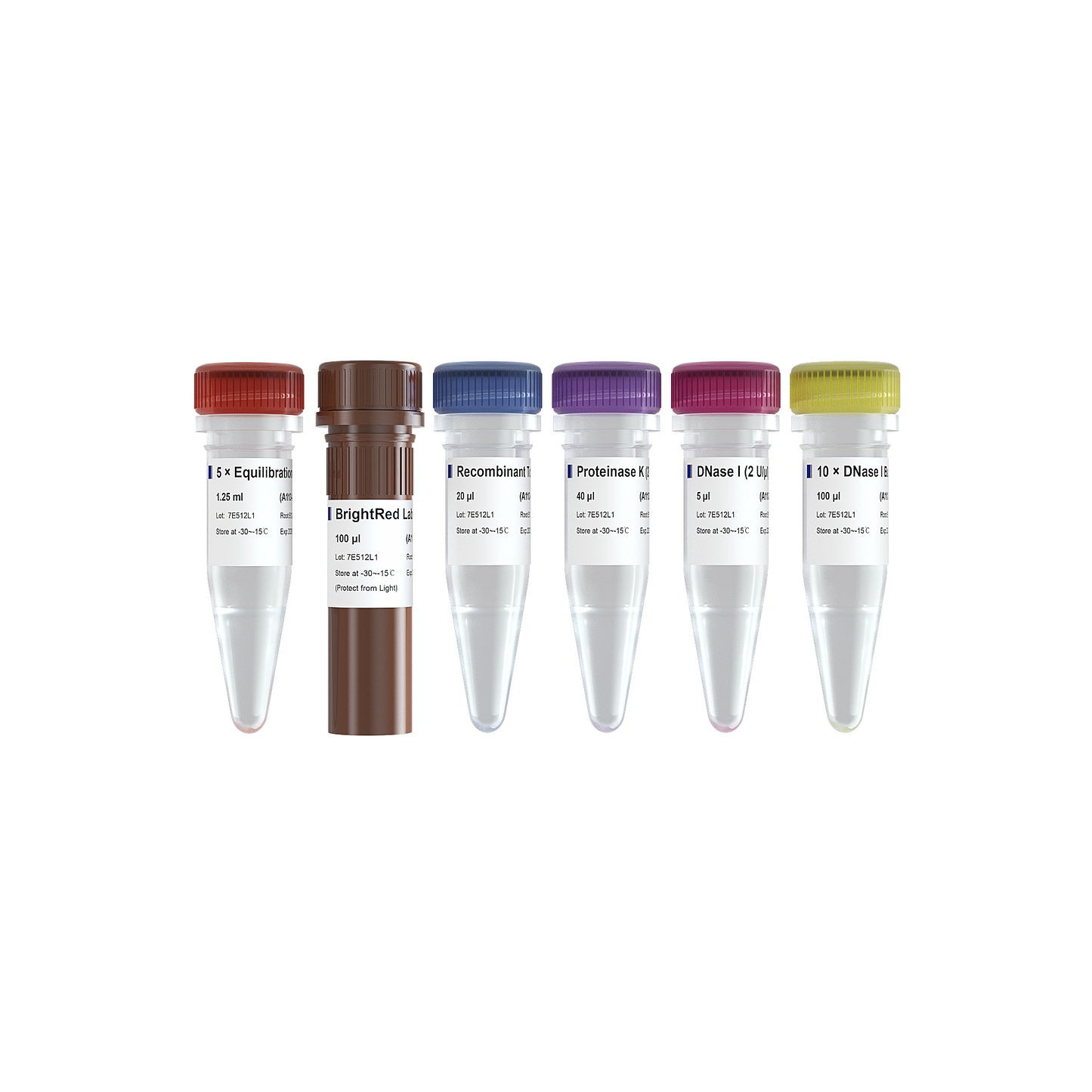
- Highly active recombinant TdT enzyme ensures fluorescence incorporation efficiencyBroad compatible: Suitable for cell slides, paraffin sections and frozen sectionsComponents.
- During apoptosis, intracellular specific endonucleases are activated, chromatin DNA is specifically cleaved between nucleosomes, and DNA is degraded into integer multiples of about 180 - 200.
- The 3'-hydroxyl (3'-OH) end generated by broken DNA can bind to tetramethylrhodamine-deoxyuridine triphosphate (TMR red-dUTP) under the action of terminal deoxynucleotidyl transferase (TdT).
- This unique small molecule compound can non-covalently bind to TMR red-dUTP, enhance its stability and amplify its signal, resulting in brighter labeled fluorescence and stronger anti-quenching.
How it supports your workflow
In day-to-day research, teams often need products that fit existing methods while remaining easy to justify in notes, SOPs, and reporting. For cell apoptosis detection workflows, the goal is often to keep the scientific rationale and the purchasing record aligned. During apoptosis, intracellular specific endonucleases are activated, chromatin DNA is specifically cleaved between nucleosomes, and DNA is degraded into integer multiples of about 180 - 200 bp fragments. The 3'-hydroxyl (3'-OH) end generated by broken DNA can bind to tetramethylrhodamine-deoxyuridine triphosphate (TMR red-dUTP) under the action of terminal deoxynucleotidyl transferase (TdT). This unique small molecule compound can non-covalently bind to TMR red-dUTP, enhance its stability and amplify its signal, resulting in brighter labeled fluorescence and stronger anti-quenching ability. The supplied feature set highlights bright factor and highly active recombinant tdt enzyme ensures fluorescence incorporation efficiencybroad compatible, which can help teams standardize language and expectations across similar products. Because projects evolve, we aim for descriptions that remain searchable, specific, and easy to compare across catalog numbers—so you can reorder confidently and keep documentation consistent.
Applications & compatibility
Use the notes below to gauge fit for your setup and documentation needs. Based on the supplied information, it’s positioned for cell apoptosis detection workflows where clear documentation and straightforward compatibility notes matter. If you’re matching this item to an established SOP, use the product name, catalog number, and the supplied features as the primary reference points. Use the application notes as a scope guide: they indicate fit and compatibility language drawn from the supplied product information, not assumptions beyond it.
Ideal for: labs focused on cell apoptosis detection workflows; teams that need clear, searchable documentation for purchasing and experimental records; and groups standardizing methods across projects or sites. Ideal when you need a quick, confident match between what’s on the page and what’s in your records.
- Storage Temperature:
- -20°C
For Research Use Only. Not intended for diagnostic or therapeutic use.
Products may be subject to intellectual property rights.
The purchase of this product does not grant any license for commercial use, manufacturing, or clinical applications. The user is responsible for ensuring compliance with applicable laws and third-party rights.